No products in the cart.


How To Stop Being Negative And Nurture Yourself to Avoid Becoming A Hater
646
0
0
0 0 votes
Article Rating
Avoid becoming a hater starts with an uncomfortable truth: most negativity doesn’t come from other people, it grows quietly inside us when we’re tired, unfulfilled, unheard, or overwhelmed.
No one wakes up excited to be bitter, judgmental, or resentful. This attitude creeps in slowly, and it is usually disguised as “just being honest” or “telling it like it is.”
No, you aren’t telling it as it is or being honest. You are just bitter and you have no emotional intelligence to know when and how to say things.
We’ve all had moments where jealousy shows up uninvited. Maybe it’s when someone you know is thriving publicly while you’re still figuring things out privately.
Maybe it’s when someone’s opinion clashes with yours and instead of curiosity, irritation takes over. These reactions don’t make you a bad person. They make you human.
But here’s the thing: if you don’t check it, negativity will harden you and become a mindset. And over time, that mindset can quietly turn you into someone you don’t even recognize.
This is how people end up bitter, constantly annoyed, and emotionally exhausted, wondering how they got there.
This post isn’t about pretending life is perfect. It’s not about toxic positivity or forcing gratitude when things genuinely hurt you. It’s about learning how to take care of yourself deeply enough that resentment doesn’t take root.
It’s about choosing growth over comparison, peace over projection, and self-awareness over spiraling. Ultimately, it’s about learning how to avoid becoming the person you hate.
Table of Contents
ToggleWhy Negativity Feels So Easy to Fall Into
Negativity rarely shows up as a loud decision. It sneaks in through everyday cracks like stress, disappointment, unmet expectations, and emotional fatigue. Most people don’t notice it happening until it becomes a habit.
When life feels unfair or stagnant, it’s easier to look outward than inward. Blaming, criticizing, and judging can feel oddly comforting at first. It gives frustration somewhere to go. But that relief never lasts.
Negativity feeds on comparison. It grows stronger when you feel behind. It thrives when you’re disconnected from your own purpose. And the longer it lingers, the harder it becomes to avoid being negative without intentional effort.
The good news? Negativity isn’t permanent. It’s a pattern, and patterns can be changed.
Insecurity: The Quiet Driver Behind Judgment
One of the biggest roots of negativity is insecurity. When you don’t feel confident in your own path, other people’s success can feel threatening, even when it has nothing to do with you.
Insecure thoughts sound subtle.
“They don’t deserve that.”
“They’re not even that good.”
“They got lucky.”
These thoughts are rarely about the other person. They’re about your fear. Your fear of not measuring up, fear of being overlooked, fear of failing quietly while others succeed loudly.
Trying to shrink someone else to feel bigger never works. It just reinforces the belief that you’re not enough. And that belief is exactly what keeps negativity alive.
Building self-worth doesn’t happen overnight, but every time you choose growth over comparison, you take one step closer to peace.
Unresolved Pain Has a Way of Speaking for You
Unhealed pain doesn’t stay silent. When emotions aren’t processed, they show up in irritation, defensiveness, bitterness, or emotional numbness.
Sometimes the anger you feel toward others is actually grief you never addressed. Sometimes the resentment is disappointment you never gave yourself permission to feel.
Pain looks for expression, and if you don’t give it a healthy outlet, it finds an unhealthy one.
This is why self-reflection matters. Healing doesn’t mean reliving the past forever. It means acknowledging what hurt, so it doesn’t control how you show up now.
Unprocessed pain makes it harder to avoid becoming a hater, because everything starts to feel personal, even when it isn’t.
Social Media and the Comparison Trap
Social media didn’t create insecurity, but it magnified it. We’re constantly exposed to highlight reels, perfect lighting, filtered joy, and curated success. Meanwhile, we’re living real lives with messy emotions, unfinished goals, and quiet struggles.
Comparing your behind-the-scenes to someone else’s highlight reel is a guaranteed way to feel inadequate. Over time, that inadequacy turns into frustration. Frustration turns into judgment. Judgment turns into negativity.
The problem isn’t seeing other people succeed. The problem is losing yourself while watching them do it.
Detaching from constant comparison helps you avoid becoming the person you hate, because you stop measuring your worth against someone else’s timeline.
Empathy Is a Skill. And It Can Be Relearned
Negativity grows where empathy disappears. When you stop trying to understand people, it becomes easier to reduce them to labels, assumptions, and stereotypes.
Empathy doesn’t mean agreeing with everyone. It means remembering that everyone is carrying something you can’t see. When you lead with curiosity instead of judgment, the conversations change. Energy shifts, and tensions soften.
Empathy creates emotional distance from negativity. It reminds you that people are complex, not caricatures. And that reminder alone can help you avoid being negative in moments that would’ve once triggered you.
Displaced Anger: When the Real Issue Is Somewhere Else
Not all anger belongs where it lands. Sometimes the irritation you feel toward someone is actually about your job, your finances, your relationships, or your unmet needs.
It’s easier to snap at someone than to admit you’re overwhelmed. It’s easier to criticize than to say you’re tired. But misplaced anger keeps you stuck, because the real issue never gets addressed.
Learning to pause and ask, “What am I actually upset about?” is one of the most powerful self-awareness tools you can develop. That pause alone can help you stop being a hater before the thought even fully forms.
Daily Practices That Keep You From Being Bitter
Avoiding bitterness isn’t about perfection. It’s about small, consistent habits that gradually shift how you respond to life. Here’s how to do it:
- Check in with your emotions: Each day, ask what you’re feeling and why. Spot jealousy or bitterness early before it leaks into your words or actions.
- Pause before reacting: Don’t respond immediately to negative impulses. That short pause gives you space to choose a measured response.
- Limit mental clutter: Gossip, negative news cycles, and social media comparisons fuel jealousy and bitterness. Be intentional about what you allow into your soul.
- Watch your inner language: Replace absolutes like “always” or “never” with more specific, balanced thinking. It softens judgment of yourself and others.
- Curate your environment: Surround yourself with people, content, and spaces that uplift you rather than drain you.
- End the day with reflection: Instead of self-criticism, note what worked, what didn’t, and what you learned. Growth sticks better when it’s gentle and consistent.
These practices won’t eliminate jealousy or bitterness overnight, but they stop these feelings from becoming your default response. Over time, they help you stay grounded, emotionally aware, and at peace with yourself, without forcing false positivity.
The Role of Self-Care in Breaking Negative Patterns
Self-care isn’t indulgent. It’s preventative. When your needs are met, mentally, physically, and emotionally, you’re less reactive. Less reactive people are less negative.
Think of self-care as emotional maintenance. You don’t wait until the car breaks down to add oil. You don’t wait until burnout hits before you can rest. The same applies to your inner world.
This is why tools like a self-care journal matter. They slow you down. They help you notice patterns before they become problems. They create space between feeling and reacting.
That space is where growth happens.
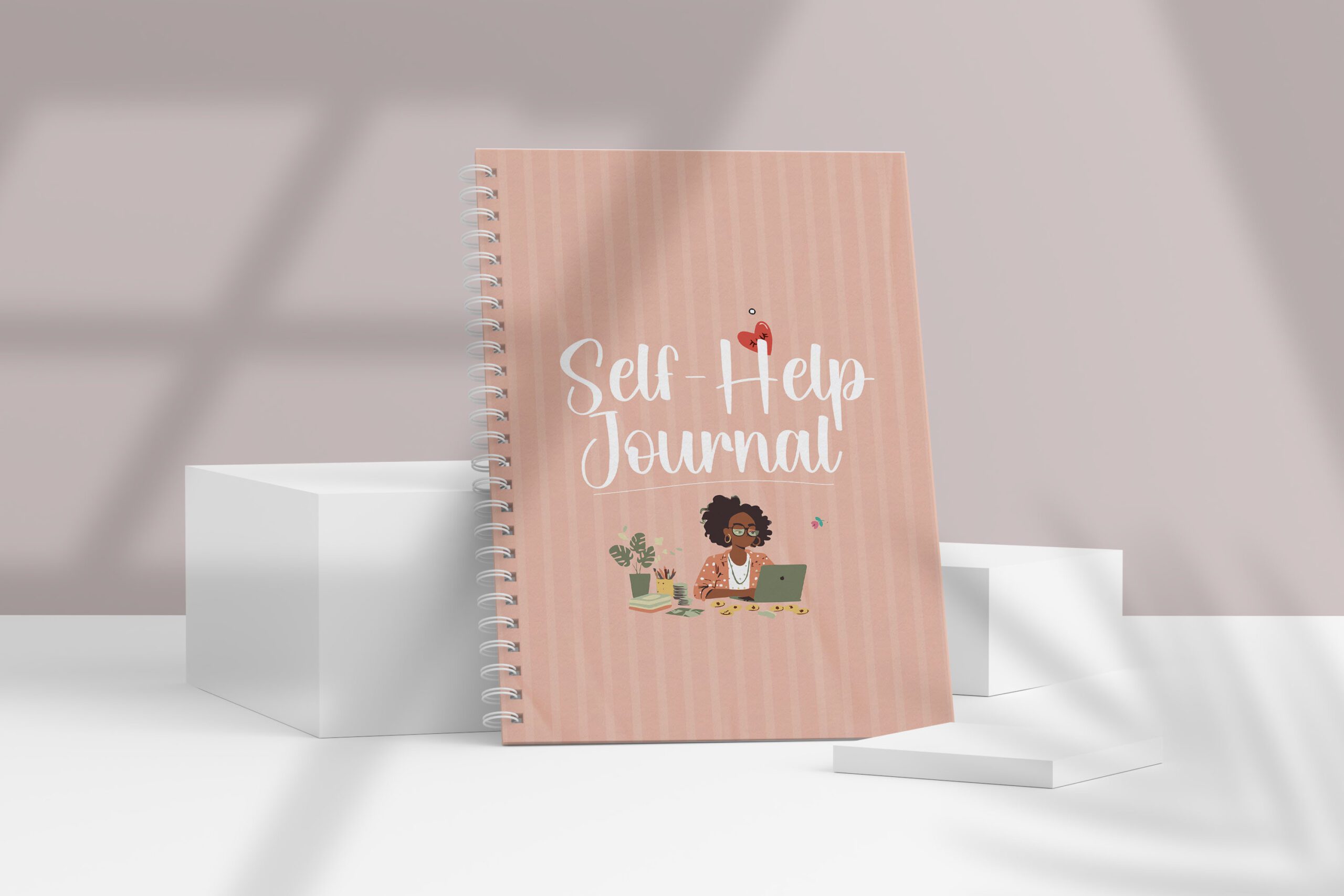
Unlock Your Best Self: A Journal for Calm, Clarity, and Confidence
Take care of yourself without overthinking it. This self-care journal helps you track your habits, reflect on your day, and create a routine that actually sticks. It’s simple, practical, and designed to help you feel calmer, more organized, and more in control, one page at a time.
Disclaimer! Hey, friend! Quick heads-up:
I’m a mama, DIYer, lifestyle author, and novelist sharing personal tips, cultural practices, and what’s worked for me over the years. Some links on this site are affiliate links, including Amazon Associate links. That means I may earn a small commission if you buy through them, at no extra cost to you. I only recommend products I truly use, love, or believe will add value to your life.
Please remember: I’m not a doctor or licensed herbalist. Always do your own research and consult a qualified healthcare provider before trying anything new.
Read Related Posts Here:
- Postpartum Body Shame vs. Self-Love: How to Finally Embrace Yourself
- Act Confident: How Pretending Transforms Your Reality
- Thoughts Create Reality: How to Stop Thinking Yourself Into a Life You Hate
- Stop Fixing, Start Creating: Your Solution Building and Personal Development Mindset Guide
- How to Stop Second-Guessing Yourself With a Clear Personal Development Plan
- How to Silence the Noise and Listen to Your Inner Voice for Better Self-Growth
- Why Life Is Not Random and How Everything Happens for a Reason
- How Grace Before Judgment Strengthens Emotional Intelligence and Self-Growth
- Romanticize Your Life: Your Intentional Guide To Main Character Energy

1. Mental Self-Care: Where Everything Begins
Your thoughts shape your reality more than you realize. The way you speak to yourself becomes the way you see others.
Practice self-compassion.
You are allowed to make mistakes without punishing yourself forever. Growth requires grace. When you treat yourself kindly, you naturally extend that kindness to others.
Challenge negative thoughts.
Not every thought deserves agreement. Ask yourself whether a thought is true, useful, or simply emotional noise. Reframing doesn’t deny reality; it clarifies it.
Reduce mental clutter.
Constant news consumption, endless scrolling, and overstimulation keep your nervous system on edge. A calm mind reacts differently from an overwhelmed one.
Practice gratitude realistically.
Gratitude isn’t pretending everything is great. It’s acknowledging what’s working while you improve what isn’t. This mindset shift helps you avoid becoming a hater because you stop focusing solely on what you lack.
Seek support when needed.
There’s strength in asking for help. Therapy, coaching, counseling, or talking to people who understand, provides tools you can’t always develop alone.
2. Physical Health and Emotional Stability
Your body and emotions are connected. When one suffers, the other follows.
Poor sleep makes people irritable. Dehydration affects focus. Nutrient deficiencies impact mood. Neglecting your body makes it harder to regulate your emotions.
Move your body regularly.
Movement releases stress and clears mental fog. It doesn’t have to be extreme. Consistency matters more than intensity.
Prioritize sleep.
Rest isn’t lazy. It’s necessary. Sleep deprivation lowers emotional resilience and makes negativity easier to slip into.
Eat for energy, not punishment.
Food fuels your mood. When your body feels supported, your mind responds accordingly.
Caring for your body supports your goal to avoid being negative, because emotional regulation starts with physical well-being.
3. Relationships Shape Your Inner World
The people you surround yourself with influence how you think, feel, and react to things. I remember a few years ago, one of my closest friends, because of our distance and proximity, had a huge impact on my words and what I told myself.
At the time when I was careless with my words, she forced me to change them by simply being around her.
She will constantly object when I say negative things around her. I hated it with a passion, but honestly, she was the only friend around me, so I couldn’t get rid of her even if I wanted to. We had built a tight village together in a strange country. I was stuck.
“Didn’t I tell you not to use that word around me?” she would say, annoyingly to me. At the time, I didn’t understand it and thought she was doing too much and being judgmental, but more and more, I started to get used to it.
Before I even knew it, my words changed, and it became a thing for us.
It wasn’t just my words that changed; my life changed as well. Things began to work better for me. It was like I was living in a different realm, which I was.
Our surroundings can shape our thoughts and behaviors greatly, so choose yours wisely.
Choose your environment intentionally.
Constant exposure to negativity normalizes it. Positive, emotionally mature people raise your baseline.
Listen more than you respond.
Listening builds empathy. Empathy dissolves judgment.
Practice kindness intentionally.
Small acts of kindness rewire your focus from criticism to compassion.
Set boundaries without guilt.
Protecting your peace is not selfish. It’s necessary if you want to avoid becoming the person you hate. And no, I am not talking about people who try to make your life better or want the best for you.
Sometimes we are too selfish and stuck in our bad ways that we think pushing everyone who pushes us out of our comfort zone is protecting our peace.
What this means is protecting yourself against those who devalue you, bring you down, or make you feel less of yourself.
4. Purpose Makes Negativity Irrelevant
When your life feels meaningful, other people’s choices stop triggering you.
Know your values. Clarity creates confidence.
Engage in things you enjoy. Joy is grounding. It reminds you who you are outside of comparison.
Keep growing. Growth keeps bitterness away. Contribute to something bigger. Service shifts focus outward and builds perspective.
Purpose naturally helps you to stop being a hater, because fulfillment leaves little room for resentment.
How to Remove Negative People From Our Lives
This part matters more than most people admit.
Not everyone deserves unlimited access to you. Some people drain your energy, distort your thinking, and normalize negativity.
Keeping them close out of loyalty can quietly sabotage your growth.
Identify patterns, not personalities.
Look at how you feel after interacting with someone. Are you empowered, drained, afraid, anxious, or irritated? That information matters more than you realize.
Limit exposure gradually.
You don’t need dramatic exits. All you need is to slowly start to reduce contact with them. Shorten your conversations and create distance where you can.
Stop explaining yourself excessively.
You don’t owe everyone an explanation for protecting your peace. You don’t need to explain why you are doing what you are doing?
Strengthen your boundaries.
Boundaries aren’t walls. They’re filters. Removing negative influences makes it easier to avoid being negative, because your environment stops reinforcing it.
Shifting Your Mindset in Real Time
Pause before reacting.
Reframe envy as information.
Focus on your own lane.
Replace judgment with curiosity.
Practice forgiveness for others and yourself.
Seek understanding, not agreement.
These small shifts help you avoid becoming the person you hate, one decision at a time.
The Ripple Effect of Choosing Self-Care
When you nurture yourself, it shows. You move differently. You speak differently. You react differently.
Choosing growth over bitterness doesn’t just change your life; it changes how you impact others. Peace is contagious. So is resentment. You get to choose which one you spread.
Learning to stop being a hater isn’t about perfection. It’s about awareness, intention, and consistent self-care.
So ask yourself honestly:
What’s one thing you can do today to protect your peace and avoid becoming a hater tomorrow?
Start there.
And just like that, another chat wraps up! It is always a pleasure spending time with you.
If you found this helpful, kindly share it with everyone you know. Pin it now so you can come back and digest it better next time.
If you have questions or feedback, feel free to comment here, and I promise to respond promptly to them. Be a good gal or guy.
P.S.: Do you want more posts like this? Sign up for my Empowered & Real-Life Lifestyle newsletter. Get weekly self-care gems. Relatable rants. Freebies. They remind you that you are that girl, even when your lashes won’t stick.
Till we meet in the next post.
With all my love,